
JavaScript

Create To Do List Using AngularJS

To create a To-Do list using AngularJS, you will need to follow these steps: 1. Set up your AngularJS project by including the AngularJS library in your HTML file. <code>html &lt;!DOCTYPE html&gt; &lt;html ng-app=&quot;todoApp&quot;&gt; &lt;head&gt; &lt;title&gt;To-Do List&lt;/title&gt; &lt;script src=&quot;https://ajax.googleapis.com/ajax/libs/angularjs/1.7.9/angular.min.js&quot;&gt;&lt;/script&gt; &lt;/head&gt; &lt;body&gt; &lt;div ng-controller=&quot;todoController&quot;&gt; &lt;!– Your to-do list HTML code goes here –&gt; &lt;/div&gt; &lt;script src=&quot;app.js&quot;&gt;&lt;/script&gt; […]

Create To Do List Using AngularJS Read More »

Creating Custom Directives in AngularJS

To create a custom directive in AngularJS, you need to follow these steps: 1. Define the directive: Use the `directive` method of the AngularJS module to define a new directive. The method takes two parameters: the name of the directive and a factory function that returns the directive definition object. <code>javascript angular.module(‘myApp’, []) .directive(‘myDirective’, function()

Creating Custom Directives in AngularJS Read More »

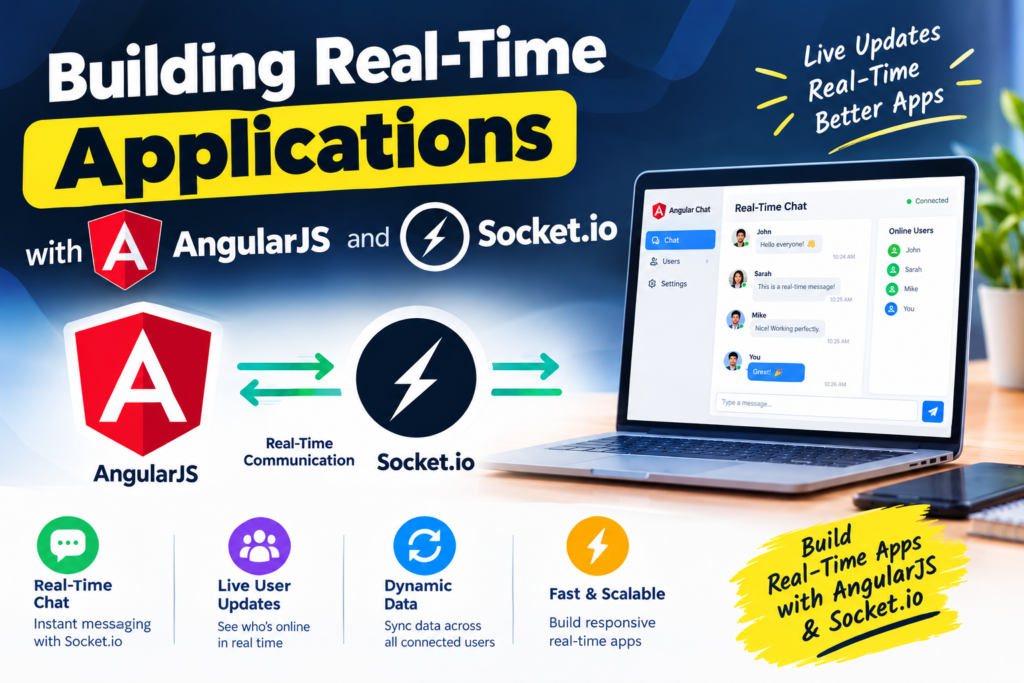
Building Real-Time Applications with AngularJS and Socket.io

AngularJS is a popular JavaScript framework for building web applications. It provides a structured way to develop dynamic and interactive web pages. Socket.io is a JavaScript library that enables real-time, bidirectional communication between web clients and servers. Combining AngularJS and Socket.io allows developers to build real-time applications that can update data in real-time without the

Building Real-Time Applications with AngularJS and Socket.io Read More »

AngularJS Routing: Building Single-Page Applications

AngularJS routing is a powerful feature that allows you to build single-page applications (SPAs) by dynamically changing the content of a web page without reloading the entire page. It enables you to create a seamless user experience by providing smooth transitions between different views or pages within your application. To use routing in AngularJS, you

AngularJS Routing: Building Single-Page Applications Read More »

Getting Started with AngularJS: A Step-by-Step Tutorial

AngularJS is a popular JavaScript framework developed by Google for building dynamic web applications. It provides a structured way to organize and manage your code, making it easier to develop and maintain complex applications. In this step-by-step tutorial, we will guide you through the process of setting up a basic AngularJS application and building a

Getting Started with AngularJS: A Step-by-Step Tutorial Read More »

AngularJS vs React: Choosing the Right Framework for Your Project

When it comes to choosing the right framework for your project, AngularJS and React are two popular options that developers often consider. Both frameworks have their own strengths and weaknesses, so it’s important to understand the differences between them before making a decision. AngularJS is a full-featured framework developed by Google. It provides a complete

AngularJS vs React: Choosing the Right Framework for Your Project Read More »

img DOkTeOiTE2msPuQUatO67J6A

ES6 Modules: Organizing Your JavaScript Code Like a Pro

ES6 modules are a powerful feature in JavaScript that allow you to organize your code into separate files and easily import and export functionality between them. This can greatly improve the maintainability and readability of your codebase, making it easier to collaborate with other developers and debug issues. Here are some tips for organizing your

ES6 Modules: Organizing Your JavaScript Code Like a Pro Read More »

ES6 vs ES5

ES6 vs. ES5: A Comparison of Key Differences

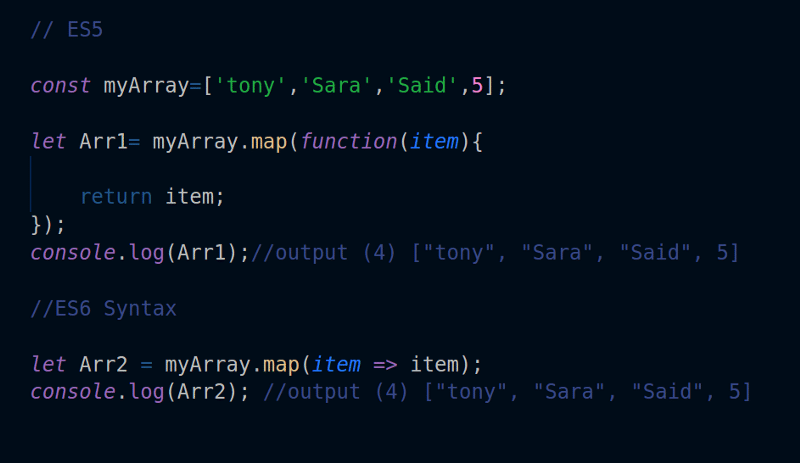
ES6 (ECMAScript 2015) and ES5 (ECMAScript 5) are two different versions of the ECMAScript standard, which is the specification that JavaScript is based on. Here are some key differences between ES6 and ES5: 1. Syntax: ES6 introduced several new syntax features, such as arrow functions, template literals, and destructuring assignment. These syntax enhancements make the

ES6 vs. ES5: A Comparison of Key Differences Read More »

es6

The Power of ES6: How It Revolutionizes JavaScript Development

ES6, also known as ECMAScript 2015, is a major update to the JavaScript language that brings a wide range of new features and improvements. It revolutionizes JavaScript development by making the language more powerful, expressive, and easier to work with. One of the most significant additions in ES6 is the introduction of block-scoped variables with

The Power of ES6: How It Revolutionizes JavaScript Development Read More »

arrow function

Understanding the Basics of ES6: A Comprehensive Guide

ES6, also known as ECMAScript 2015, is the sixth major release of the ECMAScript language specification. It introduced many new features and syntax enhancements to JavaScript, making it more powerful and expressive. In this comprehensive guide, we will cover the basics of ES6 and its key features. 1. Block-Scoped Variables: ES6 introduced two new keywords,

Understanding the Basics of ES6: A Comprehensive Guide Read More »

Building Scalable Web Applications with Node.js

Building Scalable Web Applications with Node.js

Building scalable web applications with Node.js involves using various techniques and tools to ensure that the application can handle a large number of concurrent users and requests without sacrificing performance. Here are some key considerations and best practices for building scalable web applications with Node.js: 1. Use asynchronous programming: Node.js is built on an event-driven,

Building Scalable Web Applications with Node.js Read More »

Node.js for Machine Learning: Integrating TensorFlow and Node.js

Node.js for Machine Learning: Integrating TensorFlow and Node.js

Node.js is a popular runtime environment for building server-side applications using JavaScript. While it is not traditionally associated with machine learning, it can be used to integrate machine learning libraries like TensorFlow and build powerful ML applications. TensorFlow is an open-source machine learning framework developed by Google. It provides a wide range of tools and

Node.js for Machine Learning: Integrating TensorFlow and Node.js Read More »

Node.js and MongoDB: A Perfect Match for Database Integration

Node.js and MongoDB: A Perfect Match for Database Integration

Node.js and MongoDB are indeed a perfect match for database integration. Here are a few reasons why: 1. JavaScript-based: Both Node.js and MongoDB use JavaScript as their primary programming language. This makes it seamless to work with both technologies, as developers can use the same language for both the server-side and database operations. 2. Asynchronous

Node.js and MongoDB: A Perfect Match for Database Integration Read More »

Node.js and MongoDB: Building a Full-Stack JavaScript Application

Node.js and MongoDB: Building a Full-Stack JavaScript Application

Node.js and MongoDB are two powerful technologies that can be used together to build full-stack JavaScript applications. In this tutorial, we will walk through the process of building a simple application using these technologies. Prerequisites: – Basic knowledge of JavaScript – Node.js and npm installed on your machine – MongoDB installed on your machine Step

Node.js and MongoDB: Building a Full-Stack JavaScript Application Read More »

Mastering Asynchronous Programming in Node.js

Mastering Asynchronous Programming in Node.js

Mastering Asynchronous Programming in Node.js is a book that focuses on teaching developers how to effectively write asynchronous code in Node.js. The book covers various topics such as callbacks, promises, async/await, and event-driven programming. The book starts by explaining the basics of asynchronous programming and why it is important in Node.js. It then dives into

Mastering Asynchronous Programming in Node.js Read More »

The Power of Asynchronous Programming in Node.js

The Power of Asynchronous Programming in Node.js

Asynchronous programming is a programming paradigm that allows multiple tasks to be executed concurrently, without blocking the execution of the main program. In Node.js, asynchronous programming is a fundamental concept that enables developers to build highly scalable and efficient applications. One of the main advantages of asynchronous programming in Node.js is its ability to handle

The Power of Asynchronous Programming in Node.js Read More »

Building Real-Time Applications with Node.js and Socket.io

Building Real-Time Applications with Node.js and Socket.io

Node.js is a popular runtime environment that allows developers to build scalable and high-performance applications using JavaScript. Socket.io is a library that enables real-time, bidirectional communication between web clients and servers. By combining Node.js and Socket.io, developers can create real-time applications that can push data from the server to multiple clients instantly. This is particularly

Building Real-Time Applications with Node.js and Socket.io Read More »

Building Real-time Applications with Node.js

Building Real-time Applications with Node.js

Node.js is a popular runtime environment that allows developers to build real-time applications. Real-time applications are those that require instant updates and communication between the server and the client. Here are some key concepts and tools that can be used to build real-time applications with Node.js: 1. WebSockets: WebSockets provide a persistent connection between the

Building Real-time Applications with Node.js Read More »

Scroll to Top