
programming

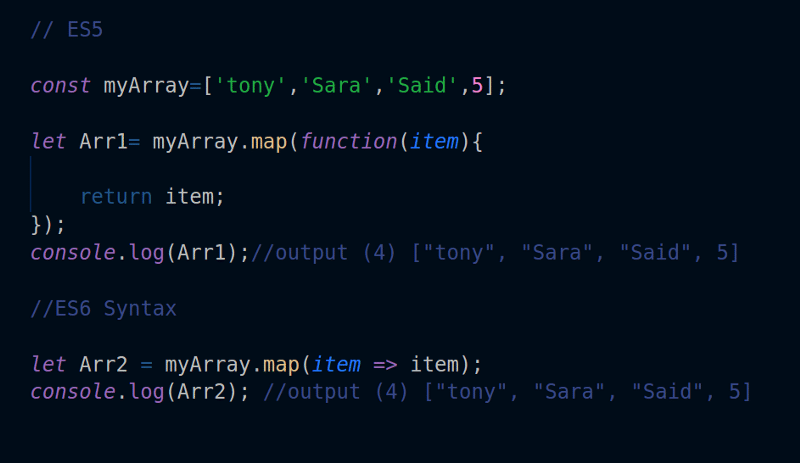
ES6 vs ES5

ES6 vs. ES5: A Comparison of Key Differences

ES6 (ECMAScript 2015) and ES5 (ECMAScript 5) are two different versions of the ECMAScript standard, which is the specification that JavaScript is based on. Here are some key differences between ES6 and ES5: 1. Syntax: ES6 introduced several new syntax features, such as arrow functions, template literals, and destructuring assignment. These syntax enhancements make the

ES6 vs. ES5: A Comparison of Key Differences Read More »

es6

The Power of ES6: How It Revolutionizes JavaScript Development

ES6, also known as ECMAScript 2015, is a major update to the JavaScript language that brings a wide range of new features and improvements. It revolutionizes JavaScript development by making the language more powerful, expressive, and easier to work with. One of the most significant additions in ES6 is the introduction of block-scoped variables with

The Power of ES6: How It Revolutionizes JavaScript Development Read More »

arrow function

Understanding the Basics of ES6: A Comprehensive Guide

ES6, also known as ECMAScript 2015, is the sixth major release of the ECMAScript language specification. It introduced many new features and syntax enhancements to JavaScript, making it more powerful and expressive. In this comprehensive guide, we will cover the basics of ES6 and its key features. 1. Block-Scoped Variables: ES6 introduced two new keywords,

Understanding the Basics of ES6: A Comprehensive Guide Read More »

Implementing Search Functionality in Ruby on Rails

Implementing Search Functionality in Ruby on Rails

To implement search functionality in Ruby on Rails, you can follow these steps: 1. Add a search form to your view: – In your view file (e.g., `index.html.erb`), add a form that allows users to enter their search query. For example: “`ruby <%= form_tag search_path, method: :get do %> <%= text_field_tag :query, params[:query], placeholder: "Search…"

Implementing Search Functionality in Ruby on Rails Read More »

Node.js and MongoDB: A Perfect Match for Database Integration

Node.js and MongoDB: A Perfect Match for Database Integration

Node.js and MongoDB are indeed a perfect match for database integration. Here are a few reasons why: 1. JavaScript-based: Both Node.js and MongoDB use JavaScript as their primary programming language. This makes it seamless to work with both technologies, as developers can use the same language for both the server-side and database operations. 2. Asynchronous

Node.js and MongoDB: A Perfect Match for Database Integration Read More »

Building Real-Time Applications with Ruby on Rails and WebSockets

Building Real-Time Applications with Ruby on Rails and WebSockets

Ruby on Rails is a popular web development framework that allows developers to build robust and scalable applications. While Rails is primarily designed for building traditional request-response style applications, it can also be used to build real-time applications using WebSockets. WebSockets is a communication protocol that enables real-time, bidirectional communication between a client and a

Building Real-Time Applications with Ruby on Rails and WebSockets Read More »

Implementing User Authentication in Ruby on Rails

Implementing User Authentication in Ruby on Rails

To implement user authentication in Ruby on Rails, you can use the Devise gem. Devise is a flexible authentication solution that provides a set of ready-to-use controllers and views for user registration, login, and password recovery. Here are the steps to implement user authentication using Devise: 1. Add Devise to your Gemfile: “`ruby gem ‘devise’

Implementing User Authentication in Ruby on Rails Read More »

Scroll to Top