
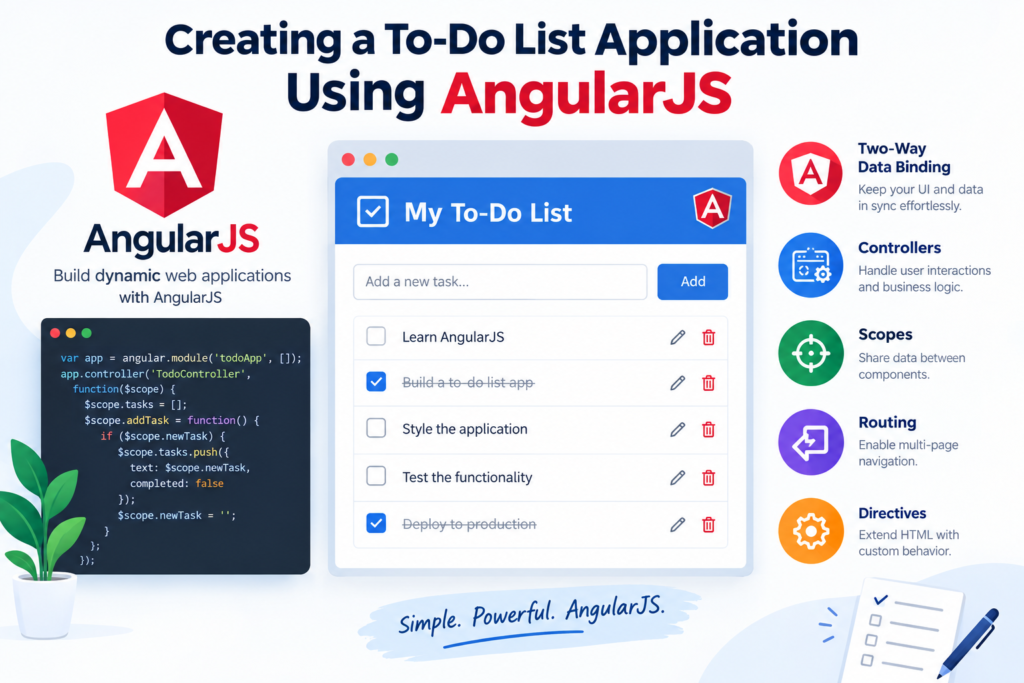
Building a To-Do List application is one of the best ways to learn the fundamentals of AngularJS. Although the application is simple, it introduces several important concepts, including data binding, controllers, directives, event handling, form inputs, and dynamic rendering. In this tutorial, we’ll build a functional To-Do List application using AngularJS from scratch. By the […]
Category Archives: Web Development
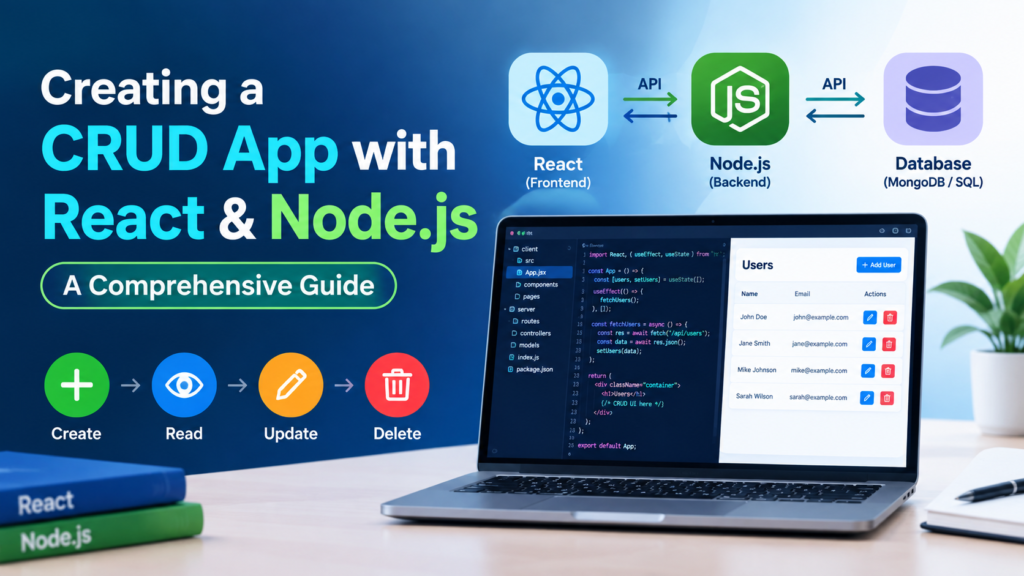
Building a full-stack web application is an excellent way to understand how modern frontend and backend technologies work together. One of the best beginner-to-intermediate projects is a CRUD application—an app that allows users to Create, Read, Update, and Delete data. In this guide, we’ll build the architecture for a CRUD application using React.js on the […]
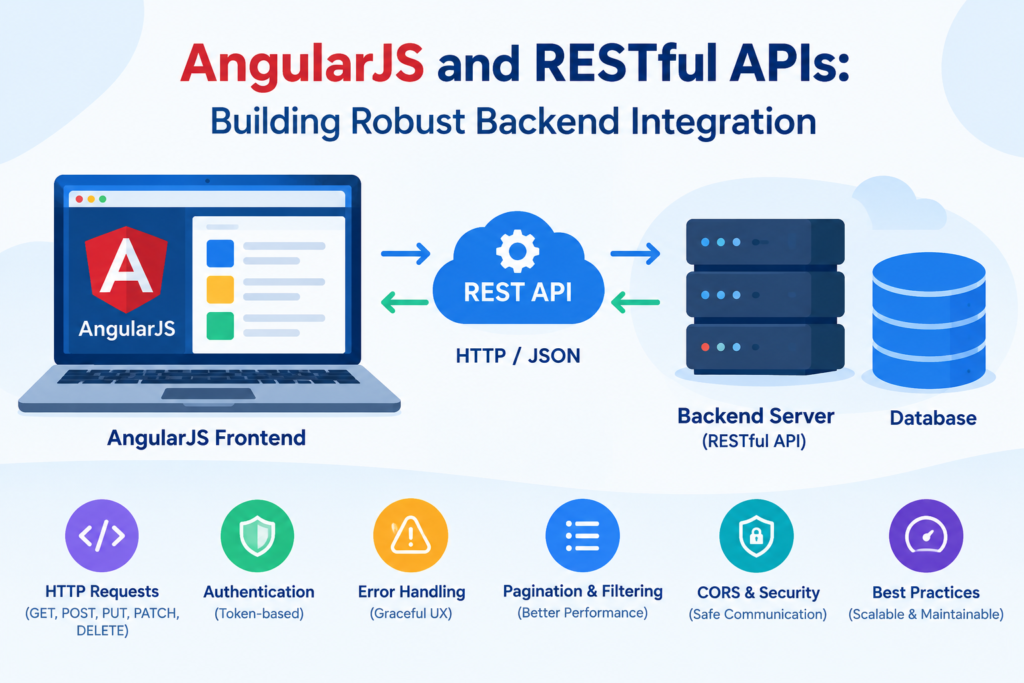
Modern web applications often need to communicate with a backend server to retrieve data, submit forms, manage user accounts, and perform other operations. AngularJS makes this easier by providing tools for working with HTTP requests and APIs. RESTful APIs provide a structured way for frontend applications to communicate with backend services. When AngularJS is combined […]
AngularJS and SEO: Making Your App Search Engine Friendly Search engine optimization (SEO) is essential for websites that rely on organic search traffic. However, building an SEO-friendly application can be more challenging when using JavaScript frameworks such as AngularJS. AngularJS applications often rely heavily on JavaScript to load and display content dynamically. This can create […]
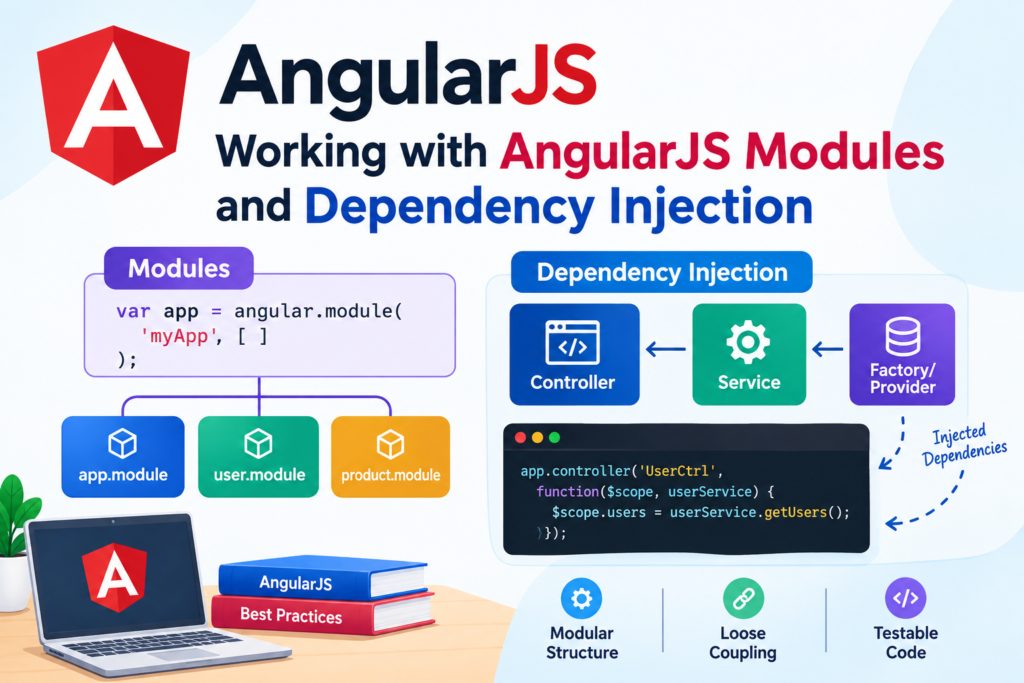
AngularJS is a JavaScript framework that introduced a structured approach to building dynamic web applications. Although AngularJS is now a legacy framework and is no longer actively developed, many existing applications still rely on it. Understanding AngularJS modules and dependency injection (DI) is therefore valuable when maintaining, upgrading, or extending older AngularJS projects. In this […]
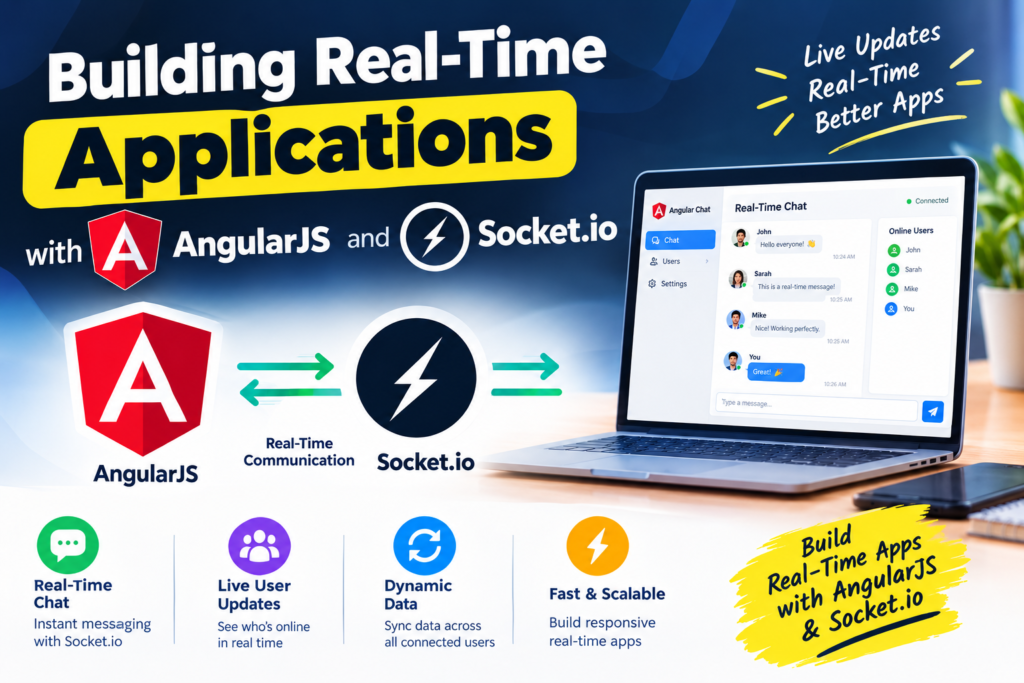
Building Real-Time Applications with AngularJS and Socket.io Modern web applications increasingly need to respond to events instantly. Whether it is a live chat application, real-time dashboard, collaborative tool, notification system, or multiplayer game, users expect information to update without manually refreshing the page. Traditional HTTP requests are not always ideal for this type of experience. […]
JavaScript has evolved significantly over the years, and ECMAScript 2015 (ES6) was one of the most important updates to the language. ES6 introduced a wide range of features designed to make JavaScript code cleaner, more readable, and easier to maintain. Whether you are building websites, REST APIs, React applications, Node.js projects, or full-stack applications, understanding […]