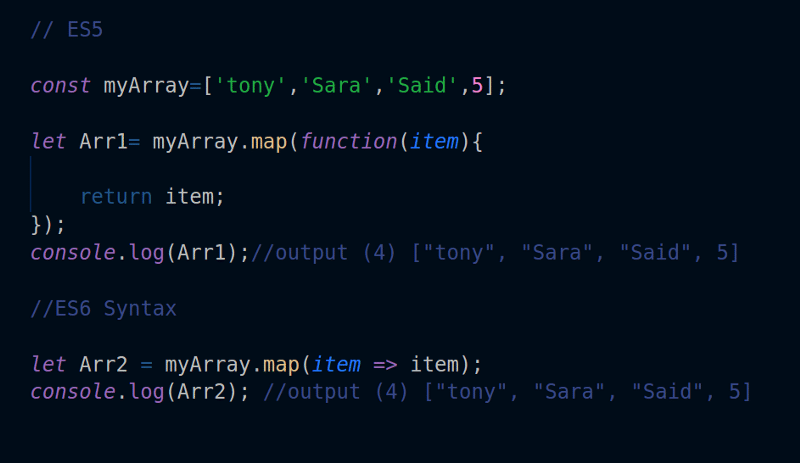

Following are the benefits of arrow functions in es6 1. Concise syntax: Arrow functions have a shorter and more concise syntax compared to regular functions. This makes the code easier to read and write. 2. Lexical this binding: Arrow functions do not have their own “this” value. Instead, they inherit the “this” value from the […]

Tag Archives: ES6
ES6 modules are a powerful feature in JavaScript that allow you to organize your code into separate files and easily import and export functionality between them. This can greatly improve the maintainability and readability of your codebase, making it easier to collaborate with other developers and debug issues. Here are some tips for organizing your […]
ES6, also known as ECMAScript 2015, introduced several new features and improvements to JavaScript that make it easier to build scalable applications. In this article, we will explore some of these features and how they can be used to build scalable applications. 1. Modules: ES6 introduced a standardized module system that allows developers to split […]
1. Arrow Functions: Arrow functions provide a more concise syntax for writing functions in JavaScript. They have a shorter syntax and automatically bind the context of the surrounding code. Example: “` const add = (a, b) => a + b; “` 2. Template Literals: Template literals allow for easier string interpolation and multiline strings in […]
ES6 (ECMAScript 2015) and ES5 (ECMAScript 5) are two different versions of the ECMAScript standard, which is the specification that defines the JavaScript language. The main difference between ES6 and ES5 is the addition of new features and improvements in ES6. Here are some key differences between ES6 and ES5: 1. Syntax: ES6 introduces new […]
ES6, also known as ECMAScript 2015, is the latest version of the JavaScript language. It introduced many new features and improvements to make JavaScript more powerful and easier to work with. If you’re new to ES6 and want to get started, this beginner’s guide will help you understand the basics and get you up and […]
ES6 (ECMAScript 2015) and ES5 (ECMAScript 5) are two different versions of the ECMAScript standard, which is the specification that JavaScript is based on. Here are some key differences between ES6 and ES5: 1. Syntax: ES6 introduced several new syntax features, such as arrow functions, template literals, and destructuring assignment. These syntax enhancements make the […]
ES6, also known as ECMAScript 2015, is a major update to the JavaScript language that brings a wide range of new features and improvements. It revolutionizes JavaScript development by making the language more powerful, expressive, and easier to work with. One of the most significant additions in ES6 is the introduction of block-scoped variables with […]
1. Use arrow functions: Arrow functions provide a more concise syntax for writing functions. They automatically bind the context of `this` to the surrounding scope, making it easier to work with callbacks and event handlers. 2. Destructuring assignment: Destructuring allows you to extract values from arrays or objects and assign them to variables in a […]
ES6, also known as ECMAScript 2015, is a major update to the JavaScript language. It introduced many new features and improvements that make JavaScript more powerful and easier to work with. Here are some of the key features of ES6 that you need to know: 1. Arrow Functions: Arrow functions provide a more concise syntax […]
ES6, also known as ECMAScript 2015, is the sixth major release of the ECMAScript language specification. It introduced many new features and syntax enhancements to JavaScript, making it more powerful and expressive. In this comprehensive guide, we will cover the basics of ES6 and its key features. 1. Block-Scoped Variables: ES6 introduced two new keywords, […]