Uncategorized

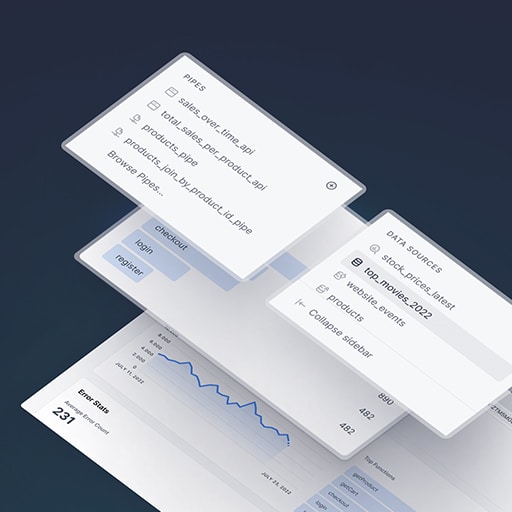
Linux for Developers Creating Powerful Applications

Linux for Developers: Creating Powerful Applications

Linux for Developers: Creating Powerful Applications is a comprehensive guide that aims to help developers harness the power of Linux to create robust and efficient applications. The book starts by introducing the basics of Linux, including its history, architecture, and various distributions. It then dives into the essential tools and techniques that developers need to […]

Linux for Developers: Creating Powerful Applications Read More »

Linux Containers Exploring the World of Docker and Kubernetes

Linux Containers: Exploring the World of Docker and Kubernetes

Linux containers are a lightweight form of virtualization that allow for the isolation and packaging of applications and their dependencies. Docker is a popular open-source platform that simplifies the creation and management of Linux containers. It provides a way to package an application and its dependencies into a container image, which can then be run

Linux Containers: Exploring the World of Docker and Kubernetes Read More »

Exploring the Node.js Ecosystem Essential Tools and Libraries

Exploring the Node.js Ecosystem: Essential Tools and Libraries

The Node.js ecosystem is vast and constantly evolving, with a wide range of tools and libraries available to help developers build robust and scalable applications. In this article, we will explore some of the essential tools and libraries that every Node.js developer should be familiar with. 1. Express.js: Express.js is a fast and minimalist web

Exploring the Node.js Ecosystem: Essential Tools and Libraries Read More »

Building Scalable Web Applications with Node.js

Building Scalable Web Applications with Node.js

Building scalable web applications with Node.js involves using various techniques and tools to ensure that the application can handle a large number of concurrent users and requests without sacrificing performance. Here are some key considerations and best practices for building scalable web applications with Node.js: 1. Use asynchronous programming: Node.js is built on an event-driven,

Building Scalable Web Applications with Node.js Read More »

Dockerizing a Elasticsearch Database: Step-by-Step Tutorial

Dockerizing a Elasticsearch Database: Step-by-Step Tutorial

Here is a step-by-step tutorial on how to dockerize an Elasticsearch database: Step 1: Install Docker – Make sure you have Docker installed on your machine. You can download and install Docker from the official website (https://www.docker.com/get-started). Step 2: Create a Dockerfile – Create a new file called "Dockerfile" in your project directory. – Open

Dockerizing a Elasticsearch Database: Step-by-Step Tutorial Read More »

Node.js for Machine Learning: Integrating TensorFlow and Node.js

Node.js for Machine Learning: Integrating TensorFlow and Node.js

Node.js is a popular runtime environment for building server-side applications using JavaScript. While it is not traditionally associated with machine learning, it can be used to integrate machine learning libraries like TensorFlow and build powerful ML applications. TensorFlow is an open-source machine learning framework developed by Google. It provides a wide range of tools and

Node.js for Machine Learning: Integrating TensorFlow and Node.js Read More »

Linux Networking Building and Managing Networks with Ease

Linux Networking: Building and Managing Networks with Ease

Linux Networking: Building and Managing Networks with Ease is a comprehensive guide that provides step-by-step instructions and practical examples for building and managing networks using Linux operating systems. The book covers various networking concepts, including IP addressing, subnetting, routing, and network protocols. It also explores different network services, such as DNS, DHCP, FTP, and SSH,

Linux Networking: Building and Managing Networks with Ease Read More »

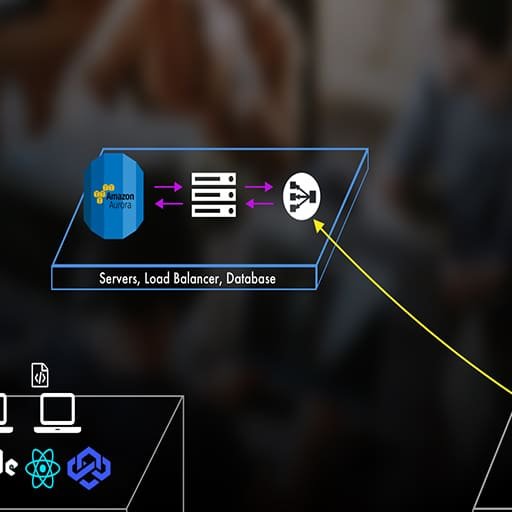
Linux in the Cloud Harnessing the Power of Virtualization

Linux in the Cloud: Harnessing the Power of Virtualization

Linux in the Cloud: Harnessing the Power of Virtualization In recent years, cloud computing has become increasingly popular as businesses and individuals seek more flexible and scalable solutions for their computing needs. One of the key technologies that enables cloud computing is virtualization, and Linux has emerged as a leading operating system for running virtualized

Linux in the Cloud: Harnessing the Power of Virtualization Read More »

Dockerizing a Elasticsearch Cluster Step-by-Step Tutorial

Dockerizing a Elasticsearch Cluster: Step-by-Step Tutorial

Here is a step-by-step tutorial on how to dockerize an Elasticsearch cluster: Step 1: Install Docker – Make sure you have Docker installed on your machine. You can download and install Docker from the official website (https://www.docker.com/get-started). Step 2: Create a Dockerfile – Create a new directory for your Elasticsearch cluster and navigate to it.

Dockerizing a Elasticsearch Cluster: Step-by-Step Tutorial Read More »

Dockerizing a Redis Database Step-by-Step Tutorial

Dockerizing a Redis Database: Step-by-Step Tutorial

Sure! Here is a step-by-step tutorial on how to dockerize a Redis database: Step 1: Install Docker Make sure you have Docker installed on your machine. You can download and install Docker from the official website (https://www.docker.com/get-started). Step 2: Create a Dockerfile Create a new file called "Dockerfile" in your project directory. This file will

Dockerizing a Redis Database: Step-by-Step Tutorial Read More »

Linux Networking Building and Managing Networks

Linux Networking: Building and Managing Networks

Linux Networking: Building and Managing Networks is a comprehensive guide that covers the fundamentals of networking in a Linux environment. It is designed for both beginners and experienced Linux users who want to learn how to build and manage networks using Linux. The book starts with an introduction to networking concepts and protocols, including TCP/IP,

Linux Networking: Building and Managing Networks Read More »

Testing Node.js Applications Tools and Best Practices

Testing Node.js Applications: Tools and Best Practices

When it comes to testing Node.js applications, there are several tools and best practices that can help ensure the quality and reliability of your code. Here are some of the most commonly used tools and best practices for testing Node.js applications: 1. Testing frameworks: There are several popular testing frameworks available for Node.js, such as

Testing Node.js Applications: Tools and Best Practices Read More »

Implementing Search Functionality in Ruby on Rails

Implementing Search Functionality in Ruby on Rails

To implement search functionality in Ruby on Rails, you can follow these steps: 1. Add a search form to your view: – In your view file (e.g., `index.html.erb`), add a form that allows users to enter their search query. For example: “`ruby <%= form_tag search_path, method: :get do %> <%= text_field_tag :query, params[:query], placeholder: "Search…"

Implementing Search Functionality in Ruby on Rails Read More »

Node.js and MongoDB: A Perfect Match for Database-driven Applications

Node.js and MongoDB: A Perfect Match for Database-driven Applications

Node.js and MongoDB are indeed a perfect match for database-driven applications. Here’s why: 1. Asynchronous and Non-blocking: Node.js is known for its asynchronous and non-blocking nature, which makes it ideal for handling database operations. MongoDB, being a NoSQL database, also supports asynchronous operations. This combination allows for efficient handling of multiple concurrent requests, resulting in

Node.js and MongoDB: A Perfect Match for Database-driven Applications Read More »

Dockerizing a PostgreSQL Database: Step-by-Step Tutorial

Dockerizing a PostgreSQL Database: Step-by-Step Tutorial

Here is a step-by-step tutorial on how to dockerize a PostgreSQL database: Step 1: Install Docker – Make sure you have Docker installed on your machine. You can download and install Docker from the official website (https://www.docker.com/get-started). Step 2: Create a Dockerfile – Create a new file called "Dockerfile" in your project directory. – Open

Dockerizing a PostgreSQL Database: Step-by-Step Tutorial Read More »

Dockerizing a MySQL Database: Step-by-Step Tutorial

Dockerizing a MySQL Database: Step-by-Step Tutorial

Here is a step-by-step tutorial on how to dockerize a MySQL database: Step 1: Install Docker – Make sure you have Docker installed on your machine. You can download and install Docker from the official website (https://www.docker.com/get-started). Step 2: Create a Dockerfile – Create a new file called "Dockerfile" in your project directory. – Open

Dockerizing a MySQL Database: Step-by-Step Tutorial Read More »

Remove Wordpress Malware

Node.js Security Best Practices: Protecting Your Application

1. Keep your dependencies up to date: Regularly update your Node.js dependencies to ensure you have the latest security patches and bug fixes. Use a package manager like npm to manage your dependencies and easily update them. 2. Use secure coding practices: Follow secure coding practices to minimize vulnerabilities in your code. This includes validating

Node.js Security Best Practices: Protecting Your Application Read More »

Node.js and MongoDB: A Perfect Match for Database Integration

Node.js and MongoDB: A Perfect Match for Database Integration

Node.js and MongoDB are indeed a perfect match for database integration. Here are a few reasons why: 1. JavaScript-based: Both Node.js and MongoDB use JavaScript as their primary programming language. This makes it seamless to work with both technologies, as developers can use the same language for both the server-side and database operations. 2. Asynchronous

Node.js and MongoDB: A Perfect Match for Database Integration Read More »

Deploying Node.js Applications to the Cloud: AWS vs. Azure vs. Google Cloud

Deploying Node.js Applications to the Cloud: AWS vs. Azure vs. Google Cloud

When it comes to deploying Node.js applications to the cloud, three major cloud providers stand out: AWS (Amazon Web Services), Azure (Microsoft Azure), and Google Cloud. Each of these platforms offers its own set of features and benefits, so let’s compare them: 1. AWS: – AWS Elastic Beanstalk: This service allows you to easily deploy

Deploying Node.js Applications to the Cloud: AWS vs. Azure vs. Google Cloud Read More »

Dockerizing a MongoDB Database: Step-by-Step Tutorial

Dockerizing a MongoDB Database: Step-by-Step Tutorial

Here is a step-by-step tutorial on how to dockerize a MongoDB database: Step 1: Install Docker – Make sure you have Docker installed on your machine. You can download and install Docker from the official website (https://www.docker.com/get-started). Step 2: Create a Dockerfile – Create a new file called "Dockerfile" in your project directory. – Open

Dockerizing a MongoDB Database: Step-by-Step Tutorial Read More »

Securing Docker Containers: Best Practices and Tips

Securing Docker Containers: Best Practices and Tips

Securing Docker containers is crucial to protect your applications and data from potential threats. Here are some best practices and tips to enhance the security of your Docker containers: 1. Use Official Images: Always use official Docker images from trusted sources like Docker Hub. These images are regularly updated and maintained by the Docker community,

Securing Docker Containers: Best Practices and Tips Read More »

Implementing Role-Based Access Control in Ruby on Rails

Implementing Role-Based Access Control in Ruby on Rails

To implement Role-Based Access Control (RBAC) in Ruby on Rails, you can follow these steps: Step 1: Set up the database tables Create the necessary database tables to store roles, permissions, and user-role mappings. You can use a migration file to create these tables. For example: “`ruby rails generate migration CreateRoles name:string rails generate migration

Implementing Role-Based Access Control in Ruby on Rails Read More »

Node.js and MongoDB: Building a Full-Stack JavaScript Application

Node.js and MongoDB: Building a Full-Stack JavaScript Application

Node.js and MongoDB are two powerful technologies that can be used together to build full-stack JavaScript applications. In this tutorial, we will walk through the process of building a simple application using these technologies. Prerequisites: – Basic knowledge of JavaScript – Node.js and npm installed on your machine – MongoDB installed on your machine Step

Node.js and MongoDB: Building a Full-Stack JavaScript Application Read More »

Linux Server Administration: Essential Skills for System Administrators

Linux Server Administration: Essential Skills for System Administrators

Linux Server Administration: Essential Skills for System Administrators is a book that focuses on the fundamental skills required to effectively manage and administer Linux servers. It covers a wide range of topics, including installation and configuration, user and group management, file system management, network configuration, security, and troubleshooting. The book starts with an introduction to

Linux Server Administration: Essential Skills for System Administrators Read More »

Dockerizing a Express.js Application: Step-by-Step Tutorial

Dockerizing a Express.js Application: Step-by-Step Tutorial

Sure! Here is a step-by-step tutorial on how to dockerize an Express.js application: Step 1: Install Docker First, make sure you have Docker installed on your machine. You can download and install Docker from the official website (https://www.docker.com/get-started). Step 2: Create a new directory for your project Create a new directory for your Express.js application.

Dockerizing a Express.js Application: Step-by-Step Tutorial Read More »
Dockerizing a Spring Boot Application: Step-by-Step Tutorial

Dockerizing a Spring Boot Application: Step-by-Step Tutorial

Sure! Here is a step-by-step tutorial on how to dockerize a Spring Boot application: Step 1: Create a Spring Boot Application Start by creating a new Spring Boot application. You can use the Spring Initializr (https://start.spring.io/) to generate a basic Spring Boot project with the necessary dependencies. Step 2: Build the Spring Boot Application Build

Dockerizing a Spring Boot Application: Step-by-Step Tutorial Read More »

Dockerizing a Flask Application: Step-by-Step Tutorial

Dockerizing a Flask Application: Step-by-Step Tutorial

Sure! Here is a step-by-step tutorial on how to dockerize a Flask application: Step 1: Install Docker First, make sure you have Docker installed on your machine. You can download and install Docker from the official website (https://www.docker.com/products/docker-desktop). Step 2: Create a Flask Application Create a new directory for your Flask application and navigate to

Dockerizing a Flask Application: Step-by-Step Tutorial Read More »
Scroll to Top