
Author name: Naveen Kumar

Mastering Asynchronous Programming in Node.js

Mastering Asynchronous Programming in Node.js

Mastering Asynchronous Programming in Node.js is a book that focuses on teaching developers how to effectively write asynchronous code in Node.js. The book covers various topics such as callbacks, promises, async/await, and event-driven programming. The book starts by explaining the basics of asynchronous programming and why it is important in Node.js. It then dives into […]

Mastering Asynchronous Programming in Node.js Read More »

Deploying Docker Containers to the Cloud AWS vs. Azure vs. GCP

Deploying Docker Containers to the Cloud: AWS vs. Azure vs. GCP

When it comes to deploying Docker containers to the cloud, three major cloud providers stand out: Amazon Web Services (AWS), Microsoft Azure, and Google Cloud Platform (GCP). Each of these providers offers its own set of features and benefits for container deployment. Let’s compare them: 1. AWS: – Amazon Elastic Container Service (ECS): A fully

Deploying Docker Containers to the Cloud: AWS vs. Azure vs. GCP Read More »

Docker Images vs. Containers Understanding the Difference

Docker Images vs. Containers: Understanding the Difference

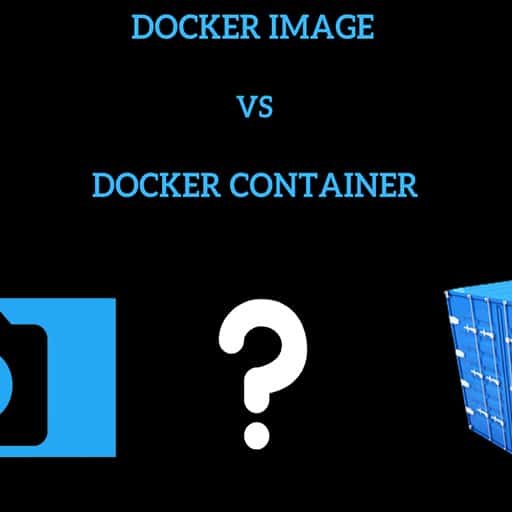
Docker images and containers are two fundamental concepts in Docker, but they serve different purposes and have distinct characteristics. Understanding the difference between them is crucial for effectively working with Docker. 1. Docker Images: – Docker images are read-only templates or blueprints used to create Docker containers. – They are built using a series of

Docker Images vs. Containers: Understanding the Difference Read More »
The Power of Asynchronous Programming in Node.js

The Power of Asynchronous Programming in Node.js

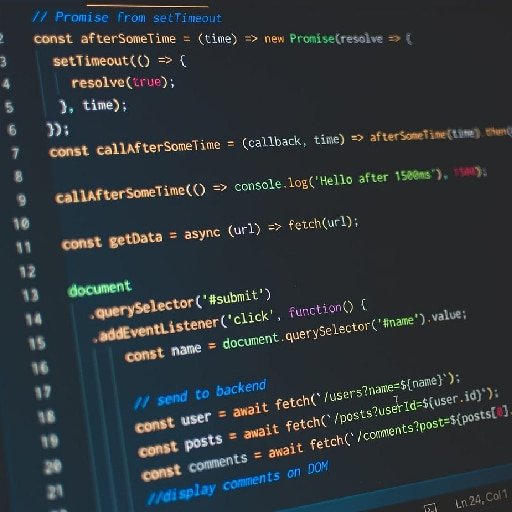
Asynchronous programming is a programming paradigm that allows multiple tasks to be executed concurrently, without blocking the execution of the main program. In Node.js, asynchronous programming is a fundamental concept that enables developers to build highly scalable and efficient applications. One of the main advantages of asynchronous programming in Node.js is its ability to handle

The Power of Asynchronous Programming in Node.js Read More »
Linux Distributions Demystified: Choosing the Right One for You

Linux Distributions Demystified: Choosing the Right One for You

Choosing the right Linux distribution can be a daunting task, especially for beginners. With hundreds of options available, it’s important to understand the differences between them and find the one that suits your needs. In this article, we will demystify Linux distributions and help you make an informed decision. 1. Ubuntu: Ubuntu is one of

Linux Distributions Demystified: Choosing the Right One for You Read More »
Node.js vs. PHP: Which One Should You Choose for Web Development?

Node.js vs. PHP: Which One Should You Choose for Web Development?

Choosing between Node.js and PHP for web development depends on various factors such as project requirements, scalability, performance, and personal preferences. Here are some points to consider when making a decision: 1. Performance: Node.js is known for its high performance and scalability due to its non-blocking, event-driven architecture. It can handle a large number of

Node.js vs. PHP: Which One Should You Choose for Web Development? Read More »
Building Real-Time Applications with Node.js and Socket.io

Building Real-Time Applications with Node.js and Socket.io

Node.js is a popular runtime environment that allows developers to build scalable and high-performance applications using JavaScript. Socket.io is a library that enables real-time, bidirectional communication between web clients and servers. By combining Node.js and Socket.io, developers can create real-time applications that can push data from the server to multiple clients instantly. This is particularly

Building Real-Time Applications with Node.js and Socket.io Read More »

Building Real-time Applications with Node.js

Building Real-time Applications with Node.js

Node.js is a popular runtime environment that allows developers to build real-time applications. Real-time applications are those that require instant updates and communication between the server and the client. Here are some key concepts and tools that can be used to build real-time applications with Node.js: 1. WebSockets: WebSockets provide a persistent connection between the

Building Real-time Applications with Node.js Read More »

PHP Security Best Practices: Protecting Your Code

PHP Security Best Practices: Protecting Your Code

1. Use parameterized queries or prepared statements to prevent SQL injection attacks. This involves using placeholders in your SQL queries and binding the actual values separately, rather than concatenating user input directly into the query. 2. Validate and sanitize user input to prevent cross-site scripting (XSS) attacks. This involves removing or encoding any potentially malicious

PHP Security Best Practices: Protecting Your Code Read More »
Scaling Applications with Docker Swarm: A Comprehensive Guide

Scaling Applications with Docker Swarm: A Comprehensive Guide

Scaling applications with Docker Swarm is a powerful way to manage and deploy containerized applications across a cluster of machines. Docker Swarm is a native clustering and orchestration solution for Docker, allowing you to create and manage a swarm of Docker nodes. In this comprehensive guide, we will cover the following topics: 1. Introduction to

Scaling Applications with Docker Swarm: A Comprehensive Guide Read More »
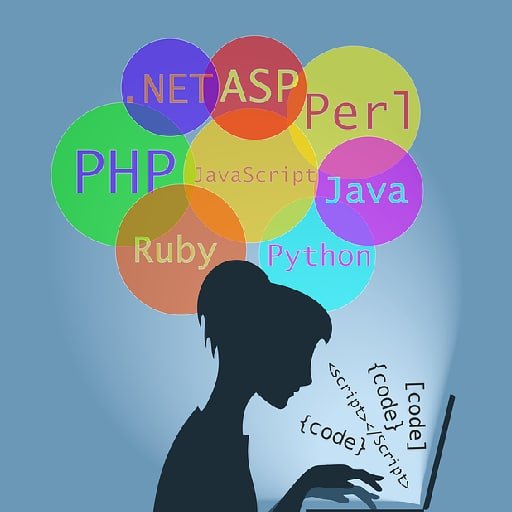
Docker Security Best Practices: Protecting Your Containers

Docker Security Best Practices: Protecting Your Containers

1. Use Official Images: Always use official images from trusted sources like Docker Hub. These images are regularly updated and maintained by the Docker community, ensuring they are secure and free from vulnerabilities. 2. Regularly Update Images: Keep your images up to date by regularly pulling the latest versions from the official repositories. This ensures

Docker Security Best Practices: Protecting Your Containers Read More »

Advanced PHP Techniques for Experienced Developers

Advanced PHP Techniques for Experienced Developers

1. Object-oriented programming (OOP): Use classes and objects to organize and structure your code. This allows for better code reusability, maintainability, and scalability. 2. Design patterns: Familiarize yourself with common design patterns such as MVC (Model-View-Controller), Singleton, Factory, and Observer. These patterns provide proven solutions to common software design problems. 3. Namespacing: Use namespaces to

Advanced PHP Techniques for Experienced Developers Read More »

Linux vs. Windows: Which Operating System Reigns Supreme?

Linux vs. Windows: Which Operating System Reigns Supreme?

The question of which operating system, Linux or Windows, reigns supreme is subjective and depends on individual needs and preferences. Both operating systems have their own strengths and weaknesses. Linux is an open-source operating system that offers a high level of customization and flexibility. It is known for its stability, security, and reliability. Linux is

Linux vs. Windows: Which Operating System Reigns Supreme? Read More »

Mastering Node.js: Advanced Techniques and Best Practices

Mastering Node.js: Advanced Techniques and Best Practices

"Mastering Node.js: Advanced Techniques and Best Practices" is a comprehensive guide that delves into the advanced concepts and techniques of Node.js development. It is designed for experienced Node.js developers who want to take their skills to the next level. The book covers a wide range of topics, including asynchronous programming, event-driven architecture, performance optimization, security

Mastering Node.js: Advanced Techniques and Best Practices Read More »

Dockerizing Your Application: A Step-by-Step Tutorial

Dockerizing Your Application: A Step-by-Step Tutorial

Dockerizing your application can provide numerous benefits, such as easier deployment, scalability, and portability. In this step-by-step tutorial, we will guide you through the process of dockerizing your application. Step 1: Install Docker Before you can start dockerizing your application, you need to have Docker installed on your machine. Docker provides installation packages for various

Dockerizing Your Application: A Step-by-Step Tutorial Read More »

Docker Compose: Simplifying Multi-Container Applications

Docker Compose: Simplifying Multi-Container Applications

Docker Compose is a tool that simplifies the management of multi-container applications. It allows you to define and run multiple containers as a single application, making it easier to deploy and manage complex applications. With Docker Compose, you can define your application’s services, networks, and volumes in a single YAML file. This file describes the

Docker Compose: Simplifying Multi-Container Applications Read More »

Mastering Ruby on Rails: Advanced Techniques and Best Practices

Mastering Ruby on Rails: Advanced Techniques and Best Practices

"Mastering Ruby on Rails: Advanced Techniques and Best Practices" is a comprehensive guide that takes you beyond the basics of Ruby on Rails development and dives into advanced techniques and best practices. Written by experienced Rails developers, this book covers topics such as performance optimization, security, testing, deployment, and scalability. It provides in-depth explanations and

Mastering Ruby on Rails: Advanced Techniques and Best Practices Read More »

Dockerizing Your Application: Step-by-Step Tutorial

Dockerizing Your Application: Step-by-Step Tutorial

Step 1: Install Docker Before you can start dockerizing your application, you need to have Docker installed on your machine. Docker provides installation packages for various operating systems, so choose the appropriate one for your system and follow the installation instructions. Step 2: Create a Dockerfile A Dockerfile is a text file that contains instructions

Dockerizing Your Application: Step-by-Step Tutorial Read More »

Docker vs. Virtual Machines: Which is Right for You?

Docker vs. Virtual Machines: Which is Right for You?

Choosing between Docker and virtual machines depends on your specific needs and requirements. Here are some factors to consider: 1. Isolation: Docker containers provide lightweight and isolated environments, allowing applications to run independently. Virtual machines, on the other hand, offer complete isolation with their own operating systems. If you need stronger isolation between applications, virtual

Docker vs. Virtual Machines: Which is Right for You? Read More »

Getting Started with Docker: A Beginner’s Guide

Getting Started with Docker: A Beginner’s Guide

Docker is an open-source platform that allows you to automate the deployment, scaling, and management of applications using containerization. Containers are lightweight, isolated environments that package everything needed to run an application, including the code, runtime, system tools, and libraries. If you’re new to Docker and want to get started, here’s a beginner’s guide to

Getting Started with Docker: A Beginner’s Guide Read More »

The Evolution of Linux: From Hobby Project to Global Phenomenon

The Evolution of Linux: From Hobby Project to Global Phenomenon

Linux, the open-source operating system, has come a long way since its humble beginnings as a hobby project by Finnish student Linus Torvalds in 1991. Over the years, it has evolved into a global phenomenon, powering a wide range of devices and systems, from smartphones to supercomputers. In the early days, Linux was primarily a

The Evolution of Linux: From Hobby Project to Global Phenomenon Read More »

Getting Started with Node.js: A Beginner’s Guide

Getting Started with Node.js: A Beginner’s Guide

Node.js is a powerful JavaScript runtime that allows you to build scalable and efficient server-side applications. If you’re new to Node.js, this beginner’s guide will help you get started with the basics. 1. Install Node.js: – Visit the official Node.js website (https://nodejs.org) and download the latest stable version for your operating system. – Run the

Getting Started with Node.js: A Beginner’s Guide Read More »

Getting Started with Ruby on Rails A Beginners Guide

Getting Started with Ruby on Rails: A Beginner’s Guide

Ruby on Rails is a popular web development framework written in the Ruby programming language. It follows the Model-View-Controller (MVC) architectural pattern and provides a set of conventions that make it easy to build web applications. If you’re new to Ruby on Rails, here’s a beginner’s guide to help you get started: 1. Install Ruby:

Getting Started with Ruby on Rails: A Beginner’s Guide Read More »

PHP vs. Other Programming Languages: Which One Should You Choose?

PHP vs. Other Programming Languages: Which One Should You Choose?

Choosing a programming language depends on various factors such as the project requirements, personal preferences, and the specific use case. Here is a comparison between PHP and some other popular programming languages to help you make an informed decision: 1. PHP: – PHP is a server-side scripting language primarily used for web development. – It

PHP vs. Other Programming Languages: Which One Should You Choose? Read More »

8 Proven steps to get more social media followers and subscribers

8 Proven steps to get more social media followers and subscribers

Increasing social media followers can be a common goal for individuals and businesses looking to expand their online presence. Here are some strategies to help you increase your social media followers: Remember that building a genuine and engaged following takes time and effort. Focus on providing value, being authentic, and consistently engaging with your audience

8 Proven steps to get more social media followers and subscribers Read More »

Scroll to Top