

Nutrition
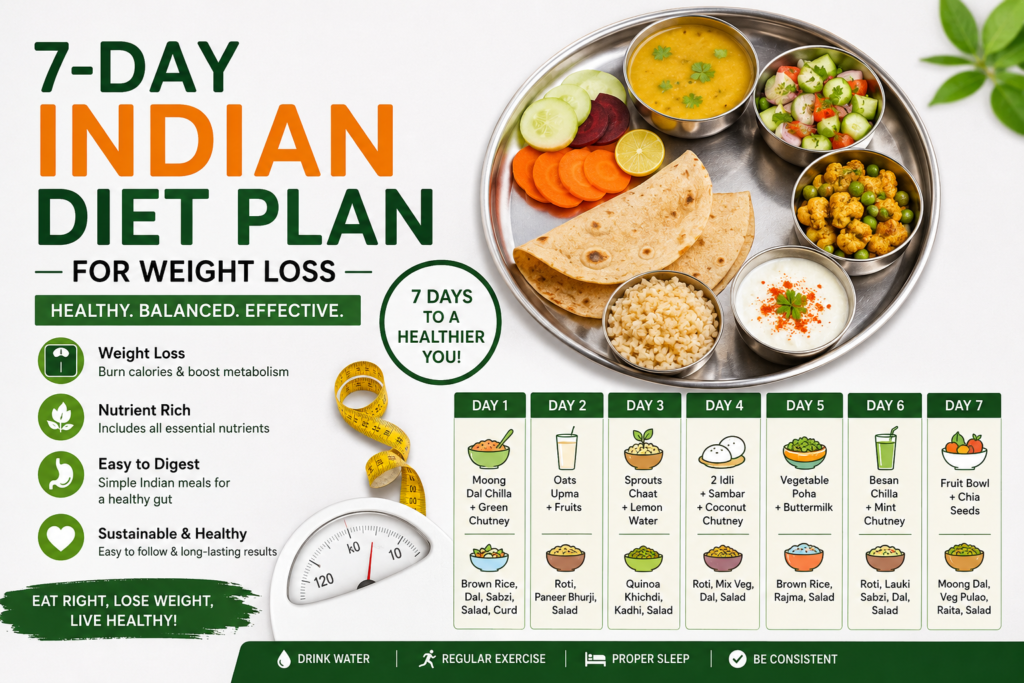
7-Day Indian Diet Plan for Weight Loss
Jun
Introduction to the Indian Diet Plan
The Indian diet plan is a well-balanced approach to nutrition that emphasizes the use of traditional foods in a manner that promotes weight loss. With a rich culinary heritage, India offers a wide variety of foods that are not only flavorful but also nutritious. This weight loss plan is designed to harness the benefits of various regional cuisines while focusing on maintaining a calorie deficit. The goal is to provide a structured eating regimen that aligns with individual weight loss objectives without sacrificing essential nutrients.
Incorporating staples such as whole grains, legumes, fruits, and vegetables, the Indian diet plan ensures that individuals receive adequate amounts of vitamins, minerals, and fiber. These components are crucial for weight management as they help to promote satiety and inhibit overeating. For instance, dishes made with lentils or chickpeas can serve as excellent sources of protein, supporting muscle maintenance during weight loss efforts. Furthermore, traditional spices such as turmeric, cumin, and coriander not only enhance flavor but may also offer health benefits that can bolster metabolism and improve digestion.
This diet plan encourages individuals to embrace wholesome, home-cooked meals rather than relying on processed foods, which often contain high levels of calories and low nutritional value. By utilizing local ingredients and traditional cooking methods, the Indian diet fosters a sustainable eating approach that can seamlessly fit into one’s lifestyle. Each meal in this plan is carefully curated to present an array of colors, flavors, and textures, making healthy eating both enjoyable and satisfying. Consequently, individuals can achieve their weight loss goals while preserving their cultural food practices and savoring the rich diversity of Indian cuisine.
Understanding Weight Loss and Nutrition
Weight loss fundamentally revolves around the concept of creating a calorie deficit, which occurs when the number of calories consumed is less than the calories expended by the body. This principle is critical for anyone looking to shed excess weight, as it prompts the body to utilize stored fat for energy. A structured approach to weight loss involves understanding both caloric intake and the relationship between macronutrients—proteins, carbohydrates, and fats.
Macronutrients serve as the primary components of our diet and play specific roles in supporting various bodily functions. Proteins are crucial for muscle repair and growth; they also help in maintaining satiety, making it easier to manage hunger during a weight loss journey. Carbohydrates are the body’s main source of energy, and choosing the right type—such as whole grains and legumes—can sustain energy levels without causing spikes in blood sugar. Healthy fats, found in sources like avocados, nuts, and olive oil, are essential for hormone production and nutrient absorption, contributing to overall well-being.
For individuals embracing an Indian diet for weight loss, it is important to recognize that traditional Indian cuisine offers a plethora of options rich in these macronutrients. Dishes like dal (lentils) provide essential proteins, while a variety of vegetables can supply important carbohydrates. Typically, Indian meals can be designed to incorporate healthy fats through cooking methods and ingredients, ensuring that every meal is both nutritious and satisfying. Moreover, the variety of flavors and spices used in Indian cooking can enhance the enjoyment of meals, making it easier to adhere to a weight loss plan while savoring delicious food.
Overall, integrating a balanced diet within the framework of Indian culinary traditions allows for sustainable weight loss. By focusing on adequate portions and nutrient-rich foods, individuals can effectively manage their caloric intake while enjoying the cultural richness of Indian cuisine.
Key Ingredients to Include in Your Diet
Incorporating the right ingredients into your daily meals can significantly impact your weight loss journey. Many traditional Indian ingredients are not only flavorful but also provide various health benefits that assist in achieving weight loss. A focus on lentils, whole grains, vegetables, and specific spices can enhance metabolism and contribute to overall wellness.
Lentils, known as “dal” in India, are an excellent source of protein and fiber. Common types include green gram, red lentils, and black lentils. These legumes are low in calories yet rich in nutrients, helping to keep you satiated longer, making them ideal for a weight loss diet. They can be prepared in various forms, such as soups, stews, or salads, adding both taste and nutrition to your meals.
Whole grains such as brown rice, quinoa, and millets are essential components of an Indian diet. Unlike refined grains, whole grains contain more fiber, which aids digestion and promotes a feeling of fullness. These grains also provide sustained energy release, helping to prevent spikes in blood sugar levels and keeping cravings at bay.
Vegetables play a critical role in weight loss due to their low-calorie content and high nutrient density. Leafy greens, tomatoes, bell peppers, and cruciferous vegetables like broccoli are packed with vitamins and minerals. They can be used in salads, stir-fries, and curries, making them versatile additions to any meal.
Spices like turmeric and cumin not only enhance the flavor of dishes but also boost metabolism. Turmeric contains curcumin, an anti-inflammatory compound that may help reduce weight gain. Cumin has been shown to assist in digestion and improve metabolic rates. Incorporating these spices regularly can amplify the health benefits of your meals and contribute positively to your weight loss goals.
Day 1
Begin your weight loss journey with a nutritious start. For breakfast, enjoy a bowl of oatmeal topped with fresh fruits like banana and apple paired with a cup of green tea. This combination will kickstart your metabolism efficiently. At lunchtime, prepare a serving of brown rice with mixed vegetables, flavored with Indian spices and a side of cucumber salad. This meal provides essential nutrients while keeping calorie counts in check. For an afternoon snack, consider a handful of mixed nuts or a bowl of yogurt. Dinner can consist of grilled chicken tikka served with a side of sautéed spinach and a small whole wheat chapati.
Day 2
On the second day, opt for a protein-rich breakfast of scrambled eggs with onions and tomatoes, accompanied by a slice of multi-grain toast. A glass of freshly squeezed orange juice is a refreshing addition. Lunch could be a quinoa salad with chickpeas, cucumber, and a sprinkle of lemon juice, offering a complete meal with fiber and protein. For a snack, indulge in carrot sticks with hummus. For dinner, a bowl of lentil soup garnished with cilantro, alongside steamed broccoli will provide that warm, comfort food vibe while adhering to your calorie goals.
Day 3
Start with a refreshing smoothie made from spinach, banana, and almond milk for breakfast. Mid-morning, have a small portion of poha (flattened rice) with peas and peanuts served with a side of lime. Lunch could consist of a platter featuring mixed dals (lentils) and a small serving of brown rice, ensuring a protein-packed meal. A piece of dark chocolate will suffice for an afternoon pick-me-up. Dinner can feature a grilled fish curry served with a side of boiled vegetables for a satisfying end to the day.
Day 4
For breakfast, consider besan cheela (gram flour pancakes) with vegetables paired with mint chutney and a cup of herbal tea. For lunch, a hearty vegetable and dal khichdi is recommended, providing great nutrition. As a snack, opt for roasted chickpeas, a high-protein choice. At dinner, enjoy palak paneer (spinach with cottage cheese) alongside a small portion of whole wheat roti, ensuring your meal is enjoyable yet wholesome.
Day 5
Kick the day off with a bowl of curd with fresh fruits and a sprinkle of flaxseeds, enhancing your breakfast with essential omega-3 fatty acids. A light lunch might include a vegetable stir-fry with tofu, served with a small grain of choice. Subsequent snack options can range from fresh fruit slices or roasted seeds. For dinner, try a traditional chana masala (chickpea curry) accompanied by a salad to marry taste and healthy eating.
Day 6
For breakfast, make an egg white omelet filled with spinach and tomatoes and add a piece of whole grain toast. Lunch can consist of a warm bowl of vegetable soup with a side of quinoa. A handful of walnuts can be a great snack option. For dinner, consider a stir-fried vegetable dish such as bhindi masala (spiced okra) accompanied by a small serving of brown rice, making for a deliciously satisfying meal.
Day 7
Conclude your week with a light breakfast of mixed fruit salad drizzled with lemon juice. For lunch, enjoy a traditional masoor dal (red lentil curry) with whole wheat chapati. For an afternoon snack, either a protein bar or fresh vegetable sticks with a light dip can be adequate. Finally, for dinner, a bowl of vegetable biryani can be prepared with aromatic spices, while ensuring it aligns with your calorie count, culminating your seven days of healthy eating.
Snacking Strategies for Weight Loss
When embarking on a weight loss journey, the importance of incorporating healthy snacks into your diet cannot be overstated. Snacking can serve as a vital tool to manage hunger and prevent overeating during main meals, particularly within the context of an Indian diet plan. Opting for nutritious snack options not only aids in maintaining energy levels but also promotes a sense of satiety.
One effective strategy for healthy snacking is to focus on whole, minimally processed foods that are rich in nutrients yet low in calories. Some traditional Indian snacks can be altered to fit this profile. For instance, roasted chickpeas, known as ‘chana’, provide a satisfying crunch and are high in protein and fiber, making them an ideal choice. Another option is a bowl of dahi (yogurt) topped with fresh fruits or a sprinkle of roasted flaxseeds; this combination offers a refreshing and healthy treat while aiding digestion.
Moreover, incorporating seasonal vegetables into your snacks can also contribute to weight management. Vegetable sticks such as carrots, cucumbers, and bell peppers can be paired with a tangy mint-coriander chutney for an invigorating flavor boost. This serves not only to curb snacking cravings but also to provide essential vitamins and minerals. Additionally, making the switch to whole grain snacks, such as a small serving of khakra or whole grain crackers, can offer the necessary fiber for sustained energy levels without excessive calories.
It is crucial to keep portion sizes in check. Preparing snacks in pre-measured servings can help combat impulsive eating and keep your overall calorie intake aligned with your weight loss goals. Remember, the key is to enjoy your snacks mindfully, paying attention to flavors and textures, which can enhance satisfaction and prevent overindulgence later. By implementing these healthy snacking strategies within your Indian diet plan, you can effectively support your weight loss objectives while enjoying a diverse and flavorful eating experience.
Hydration and its Role in Weight Loss
Hydration plays a crucial role in weight loss, acting as a fundamental aspect of a balanced diet and an essential component of overall health. Water consumption can help regulate metabolism, assist in appetite control, and contribute to the body’s ability to efficiently burn fat. It is often recommended to aim for at least 8 glasses of water per day; however, individual needs may vary based on factors such as body weight, activity level, and environmental conditions.
Research suggests that drinking water before meals can help individuals feel fuller, thus potentially leading to reduced calorie intake. Additionally, water aids in the proper function of organs and helps to flush out toxins, which may contribute to a more efficient weight loss process. In a culture rich in flavors and spices, finding ways to remain hydrated can be enjoyable and beneficial.
One popular method to enhance water intake while enjoying traditional Indian flavors is through herbal teas. Made from various herbs, spices, and teas, these beverages not only provide hydration but can also offer additional health benefits. For instance, chai made with ginger can have a soothing effect and may aid digestion. Similarly, fennel tea is known for its potential role in reducing bloating and aiding metabolic function.
Infused water is another refreshing alternative, allowing individuals to combine water with traditional Indian ingredients. Adding slices of cucumber, mint, or even lemon can create invigorating drinks that encourage increased water consumption. More adventurous individuals may also consider using spices like cardamom or cloves to create a unique flavor profile that promotes hydration while appealing to their palate.
Ultimately, ensuring adequate hydration in your diet can help support weight loss efforts effectively. By incorporating water-rich foods and utilizing flavorful, traditional methods, individuals can enhance hydration’s role in their weight management journey while enjoying the quintessential tastes of Indian cuisine.
Physical Activity to Complement Your Diet
Incorporating physical activity into your daily routine is vital for achieving effective weight loss, particularly when adhering to a structured diet plan such as the 7-Day Indian Diet Plan for Weight Loss. Exercise not only aids in burning calories, but also enhances your metabolism, strengthens your muscles, and improves your overall health. When combined with a healthy diet, physical activity acts as a catalyst for achieving and maintaining weight loss goals.
There are various types of exercises that can be seamlessly integrated into your lifestyle. For instance, aerobic exercises, such as walking, jogging, cycling, or swimming, are excellent for elevating heart rates and burning calories. Engaging in at least 150 minutes of moderate aerobic activity each week can significantly contribute to your weight loss journey. Additionally, these exercises can be broken down into 30-minute sessions spread throughout the week, making them more manageable.
Incorporating strength training exercises is equally important. These activities, like weight lifting, push-ups, or even body-weight exercises such as squats and lunges, can help build lean muscle mass. Muscle burns more calories at rest compared to fat tissue, thus boosting your basal metabolic rate, which is essential for effective weight loss. It is recommended to perform strength training exercises at least two days a week.
Moreover, incorporating lifestyle activities, such as taking the stairs instead of the elevator, doing household chores, or opting for walking meetings, can further enhance your daily energy expenditure. Thus, making physical activity a regular part of your routine not only complements the 7-Day Indian Diet Plan for Weight Loss but also promotes overall well-being. Embracing an active lifestyle, alongside dietary changes, can lead to sustained weight management and improved health outcomes.
Tips for Staying Motivated and Overcoming Challenges
Embarking on a 7-day Indian diet plan for weight loss can be a transformative yet challenging experience. Maintaining motivation throughout the week is essential to achieve desired results and embrace a healthier lifestyle. One of the most common challenges encountered is managing cravings for favorite foods. It is important to remember that cravings are a natural response and can be addressed with effective strategies. For instance, substituting unhealthy snacks with healthier alternatives, such as fruits or nuts, can help satisfy cravings while remaining aligned with diet goals.
Another common hurdle is dining out, which may present difficulties in adhering to the meal plan. To manage this, consider reviewing restaurant menus in advance, focusing on dishes that align with weight loss objectives. Opting for grilled or steamed options while avoiding fried foods can greatly assist in maintaining your diet. Additionally, don’t hesitate to request modifications to your meals, such as asking for dressings on the side or choosing whole grains instead of refined carbohydrates.
Setting realistic goals can further bolster motivation. Rather than focusing solely on the scale, consider tracking other measures of success, such as energy levels, mood changes, or the fitting of clothing. Celebrating small victories can enhance your determination to stick to the 7-day diet plan. Finding a support system may also be beneficial; whether involving family, friends, or online groups, sharing experiences and challenges can foster accountability and encouragement.
Ultimately, it is crucial to remain flexible and compassionate towards oneself during this journey. Weight loss is a gradual process, and encountering challenges is normal. By implementing these strategies and maintaining a positive mindset, you can better navigate obstacles and stay committed to your weight loss goals throughout the week.
Conclusion and Encouragement for Your Health Journey
Embarking on a weight loss journey can often feel daunting, but with the right guidance and a well-structured diet plan, such as the 7-Day Indian Diet Plan for Weight Loss, you can achieve your health goals. Throughout this blog post, we have highlighted the importance of a balanced diet enriched with Indian culinary traditions, which emphasizes wholesome ingredients and mindful eating habits. Integrating diverse grains, legumes, vegetables, and fruits not only supports weight management but also enhances overall nutritional intake.
Key components of the Indian diet plan have included adequate protein sources, healthy fats, and essential micronutrients. Each meal is designed to keep you satiated and energized throughout the day, which is crucial for maintaining motivation on your weight loss journey. Furthermore, by adhering to portion control and incorporating physical activity, you can witness significant changes both in your body and your well-being.
As you start implementing this diet plan, remember to listen to your body and adjust your meals as needed to suit your tastes and nutritional requirements. Weight loss is not just about the numbers on the scale; it is about adopting a healthier lifestyle that you can sustain over time. We encourage you to share your experiences, challenges, and successes with others who may be on a similar path. This sense of community can provide valuable support and insights, fostering accountability and motivation.
Lastly, stay encouraged and patient with your progress. Every small step counts towards a healthier you, and with perseverance, you will inevitably reach your objectives. Let this journey be not just about weight loss, but about cultivating a vibrant, balanced life filled with delicious food and joyful moments.
